Introduction
Take yourself to the deck of a large merchant ship in the late 17th Century. There’s probably a hard-working crew and a captain at the wheel with a big hat. No, this isn’t about pirates in the Caribbean, but this merchant crew is transporting valuable cargo that needs protection from the elements and potentially Davy Jones himself.
Enter canvas tarps. The captain (with his big hat) orders the crew to cover the cargo as a storm approaches, and they cover up their spices and sugar cargo with a densely woven cotton cloth treated with tar to protect the cargo from getting wet and moldy.
As far back as the 1600s, canvas has been used as a trusted fabric solution protecting cargo and equipment against the elements. Today, canvas tarps remain a premier choice for their toughness and resistance in various transport and construction applications.
So, let’s learn a little more about them…
** This article is provided for informational purposes only.
IN THIS ARTICLE YOU WILL LEARN...


Definition and Key Features of Canvas Tarps
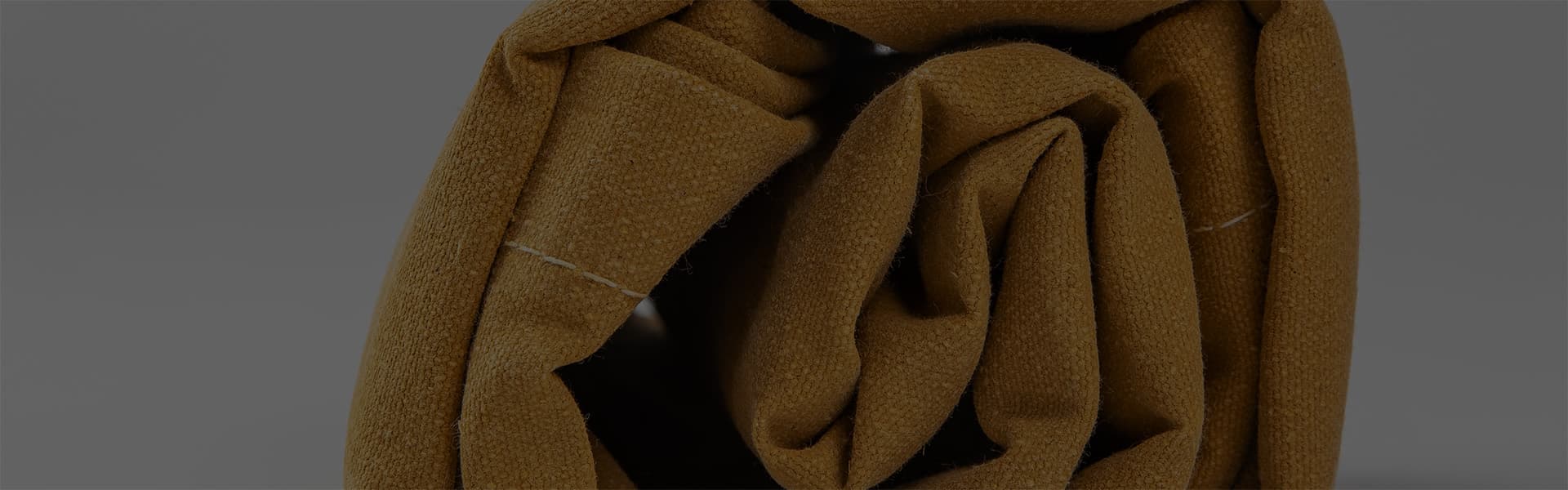
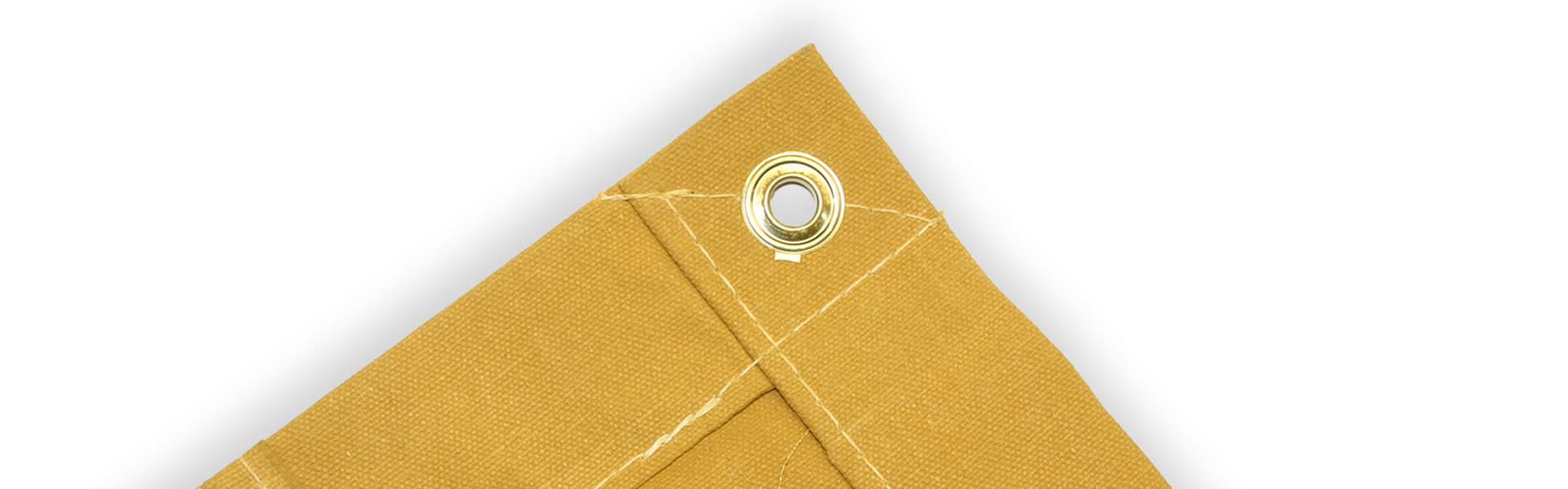
Canvas tarps are made from tightly woven, heavy-duty cotton fabric and are usually treated to be water-resistant, as well as mildew and fire-resistant.
They’re known for being very breathable, unlike polyethylene tarps, and are very durable against rips or cuts. Their versatility makes them ideal for applications where protection and functionality need to come together.

What is Canvas?
Canvas is a durable, plain-woven fabric made from cotton, linen, or hemp. ‘Plain-woven’ means that the horizontal and vertical threads of fabric interlace over and under one another.
Canvas is renowned for its strength and ability to withstand wear and tear, making it ideal for demanding applications. It’s used in a variety of applications, including outdoor equipment covers, shelters or shade, curtains, hunting blinds, painting drop cloths, and much more.
What’s duck canvas, specifically?
Canvas tarps are primarily made from a 100% cotton, duck fabric. No, we’re not talking about waterfowl. Duck is a dense, thick, woven fabric that utilizes a heavier fabric thread and a tighter weave.
This bolsters the fabric’s durability and strength, giving canvas tarps their patented strength and resistance to tearing.

Fabric Advantage
Canvas tarps offer several advantages in various applications. One primary consideration is that canvas tarps are more robust than other types of tarp material, like the bodybuilder of tarp materials. Despite the additional bulk, they remain lightweight when compared to other conventional tarpaulins.
The primary advantage is the durability of the fabric and its versatility in various applications. However, the breathability of canvas tarps is also something to consider when selecting the best tarp option for you.
The combination of strength and lightweight breathability gives canvas tarps their reputation for withstanding harsh weather conditions.
Let’s break down some canvas tarp features.
Durability & Strength: The tightly woven natural fibers make canvas tarps resistant to tears and cuts. This is valuable in construction and other rigorous outdoor activities
Breathability: Canvas breathes better than plastic-based tarps, allowing air to circulate and preventing condensation buildup underneath. This is a huge benefit when covering items that are susceptible to moisture damage.
Water Resistance: Canvas isn’t waterproof; however, it can be treated to be water-resistant with a coating that will protect from light rain and moisture
UV Resistance: As with water, canvas can be treated to resist UV rays. This helps prevent fading and degradation of the tarp fabric from prolonged sun exposure
Anti-Slip: Canvas tarps offer better slip resistance than plastic tarps, particularly when wet. This is an important safety factor, as personnel may slip when stepping on a tarp.
Aesthetics: Canvas tarps offer a more rugged, visually appealing appearance than plastic tarps. This classic, natural look may be more desirable for some.
Sustainability: Canvas tarps are often made from natural fibers, making them more environmentally friendly than synthetic plastic tarps. They also boast a longer lifespan than other conventional tarps with proper care.
What do you use canvas tarps for?
We’ve seen some of the advantages of canvas as a fabric, but let’s get into some applications. What’s a good use of a canvas tarp? Let’s go through some examples: these tarps make durable covers across multiple industries.
Different industries that you can utilize canvas tarps for
Construction: The tightly woven natural fibers make canvas tarps resistant to tears and cuts. This is valuable in construction and other rigorous outdoor activities.
Oil & Gas: Canvas tarps are used to protect drilling and other well-site equipment. They’re also used as windbreaks and shade for workers.
Military & Defense: Militaries and other defense contractors have used canvas tarps for field shelters, ground cover, as well as covering equipment.
Agriculture: Canvas breathes better than plastic-based tarps, which allows air to circulate and prevents condensation buildup underneath. This is a huge benefit when covering items susceptible to moisture damage.
Outdoor Recreation: Canvas isn’t waterproof; however, it can be treated to be water-resistant with a coating that will protect from light rain and moisture
Spill Prevention: As with water, canvas can be treated to resist UV rays, which helps prevent fading and degradation of the tarp fabric from prolonged sun exposure
Industrial: Canvas tarps offer better slip resistance than plastic tarps, particularly when wet. This is an important safety factor, as personnel may slip when stepping on a tarp.
Transportation: Canvas covers offer better durability, breathability/water resistance when it comes to transportation applications. They can also be more visually appealing for certain types of transport cargo.
Custom Covers: If there’s any equipment or machinery that has odd shapes or designs, sometimes a custom cover is necessary to accommodate those unique dimensions

Are canvas tarps waterproof?
Canvas tarps aren’t inherently waterproof; however, they can be treated with various options to become water-repellent.
Canvas is typically made from traditional cotton or a heavier linen material that’s more naturally water-absorbent or water-resistant. The fabric fibers react to water by swelling and essentially tightening the weave, but this occurs only with light exposure to water.
Heavy rain, high water, or a jobsite with high humidity requires the canvas duck to be treated. There are several options for this process, including wax, silicone, or PVC coatings, as well as synthetic acrylics or polyester blends in the fabric, which help boost water resistance and prevent the fibers from becoming overly saturated.

Can you waterproof canvas tarps yourself?
There are different practices and methods you can take to waterproof a canvas tarp. You should buy a canvas tarp that's already treated for waterproofing, so you don’t have to worry about treating it yourself.
You could apply a liquid sealant, which is typically silicone-based and mixed with mineral spirits, such as Varsol. Other options include linseed oil and even a wax-based treatment.
For a simple spray-on application, there are silicone sprays that serve as water repellents, working well for smaller jobs and tarps, while a full-on liquid sealer can be used for larger jobs. Always ensure that the treatment is suitable for the tarp material you’re using, and always wear proper Personal Protective Equipment (PPE) when handling any chemical sealer—coat tarps, even for consistent water repellent treatment throughout the canvas tarp.
*It’s still highly recommended to purchase with a canvas tarp option that already has a water-repellent additive to the tarp.

How to clean a canvas tarp
After extended use, a canvas tarp will still require cleaning. Many tarpaulin options on the market come with water-repellent coatings, well-stitched seams, and tough, breathable materials, but there are some inevitabilities.
For instance, canvas tarps can shrink due to exposure to water/moisture and sunlight.
Let’s go through some steps to maintain a canvas tarp properly:
Initial Cleaning: Start by ensuring you’re in a well-ventilated area, then remove any loose debris by brushing it off the tarp with a soft brush and warm, soapy water. This includes dirt, dust, or any debris from the jobsite. Note: Avoid using harsh chemicals, such as bleach, as they can damage the tarp fabric. Rinse thoroughly, then air-dry in a shaded area or with a fan to allow the canvas to dry completely. This helps prevent the build-up of mold and mildew.
Stain Removal: If you have tougher stains on your tarp (such as mold or mildew), use a mold and mildew stain remover. Alternatively, use paint thinner to remove oil-based paint stains. Work the remover into the stain, applying it to both sides if applicable. Let the canvas fully dry again.
Re-Waterproof: A deep cleaning and brushing can remove the waterproofing that’s on the canvas. The next step is to reapply a waterproofing layer to the canvas duck. There’s a variety of ‘waterproofing options’ that you could use for your canvas tarp. Use a spray bottle or a commercial chemical sprayer to coat both sides of the tarp with the treatment, and allow it to dry into the canvas.
Proper Storage: After your canvas tarp has been cleaned and re-treated, proper storage also plays a crucial role in maintaining tarp longevity. Fold the tarp neatly, avoiding creases. Store it in a cool, dry place, away from direct sunlight. It’s advisable not to fold and store a tarp when it’s damp, as this can promote mold and mildew. If it’s possible to hang a tarp without it touching the ground, this is also an acceptable method of storage.

How do you choose the right canvas for the job?
When you're selecting a canvas tarp, it's essential to consider its intended use. Does it need to withstand the weather and other elements? Is it simply covering construction material? Or perhaps it's just a cat curtain being used on a piece of machinery and needs to have heat resistance?
These are essential factors to think about when selecting the right material. Let's go through a few of them:

Material
Cotton: This is one of the most popular choices for material. It’s economical, so it's very affordable. It can also be versatile in color options and has high versatility
Linen: This material is known for being strong and durable, yet smooth. It’s more stretchy than cotton and is known for its longevity.
Hemp: This is a more natural canvas material, making it an environmentally friendly option. However, it has proven to be a durable option, almost on par with linen canvases.
Synthetic: Synthetic canvases are made from fibers like polyester or nylon. These materials are chosen for increased durability and natural water resistance. It can also blend well with other natural fibers.

Weave
The way that a fabric is woven also plays a part in tarp selection. The weave of material can be as important, if not more so, than the material type.
Plain Weave: This type of canvas weave features a tightly woven pattern, but has a lower density than heavier duck canvases. This type of pattern offers a balance of strength with breathability for lighter-duty jobs.
Duck Canvas: Duck comes from the Dutch word “doek” which means cloth. The more you know!... As we discussed earlier, duck canvases feature a denser, tighter weave. This makes it highly durable, weather-resistant, and strong. However, it’s less ‘breathable’ than plain canvas.

Specialized Canvases
Some canvases can feature slight modifications or special features for unique properties besides the material and weave type. Here are a few examples:
Waxed Coating: This can be any canvas, but it has been treated with a wax coating. This acts as a water-resistant barrier, making it ideal for outdoor gear.
UV Resistance: Certain aerosol or spray coatings can provide UV protection for canvases. This can be beneficial, as UV exposure over time can weaken fabric fibers, leading to brittleness and loss of structural integrity.

Are there cost and safety considerations with canvas tarps?
As with any construction product, canvas tarps offer solutions to consider when making your purchase, particularly regarding cost and safety.
When it comes to price, canvas tarps fall in the mid-range. Typically, they’re more expensive than general polyethylene tarps, but less costly than heavy-duty vinyl or PVC tarps.
Canvas lasts longer in moderate-use conditions because it resists tearing and abrasion well, helping reduce replacement costs. However, canvas tarps can wear more quickly in prolonged wet conditions unless a water treatment option is used. This is an important safety consideration when selecting your tarp type.
With those safety considerations in mind, it’s also important to note that canvas tarps do require occasional maintenance. This includes waterproofing and UV treatments, as well as proper drying before storage. Neglecting upkeep can lead to mold and mildew, as well as a general shortening of your tarp’s lifespan.

Canvas is a breathable material that can help reduce condensation buildup. It’s safer to cover items sensitive to moisture, such as wood or machinery, with a canvas tarp.
Canvas can also be made to be fire-retardant and is an excellent option in hot work areas, such as welding shops. Poly tarps are more prone to melting and dripping when exposed to heat or sparks. Canvas tarps are also less likely to shred and better suited for high-wind environments when there is a risk of punctures or tears.
Overall, canvas tarps are a more environmentally-friendly option as a cover material. It’s biodegradable and contains fewer chemicals compared to PVC or vinyl tarps.

A Summary of Canvas Tarps
Canvas tarps bring together durability, breathability, and versatility in ways that plastic-based tarps can’t match. Their natural fabric construction, paired with modern waterproofing and UV-resistance treatments, makes them a reliable choice for both indoor and outdoor protection.
While they require a bit more care and a higher upfront investment, canvas tarps often pay for themselves through longer service life and safer performance. They handle wear and tear better, reduce the risk of condensation, and can be adapted to a wide range of applications—from covering equipment to securing loads.
Ultimately, choosing canvas over polyethylene or vinyl comes down to prioritizing strength, longevity, and protection over short-term savings. For anyone seeking a tarp that not only gets the job done but also continues to perform season after season, canvas is an innovative and sustainable option.