Introduction
When it comes to the world of shipping products, it’s essential that you don’t overlook the logistics. Everything from manufacturing, packaging, storage, and transport needs to be considered for successful A-to-B shipping.
This article focuses explicitly on packaging and how it can affect the quality of your product when it arrives at the customer. Custom foam packaging is usually the overlooked window dressing that goes from the box to the blue bag when the customer pulls out their shiny new drone, computer, or movie-quality Turbo Man action figure… (I may have recently re-watched Jingle All the Way.)
However, custom foam product packaging can be that unsung superhero in the shipping process, just like Howard Langston was in Jingle All the Way… ok, enough of that!
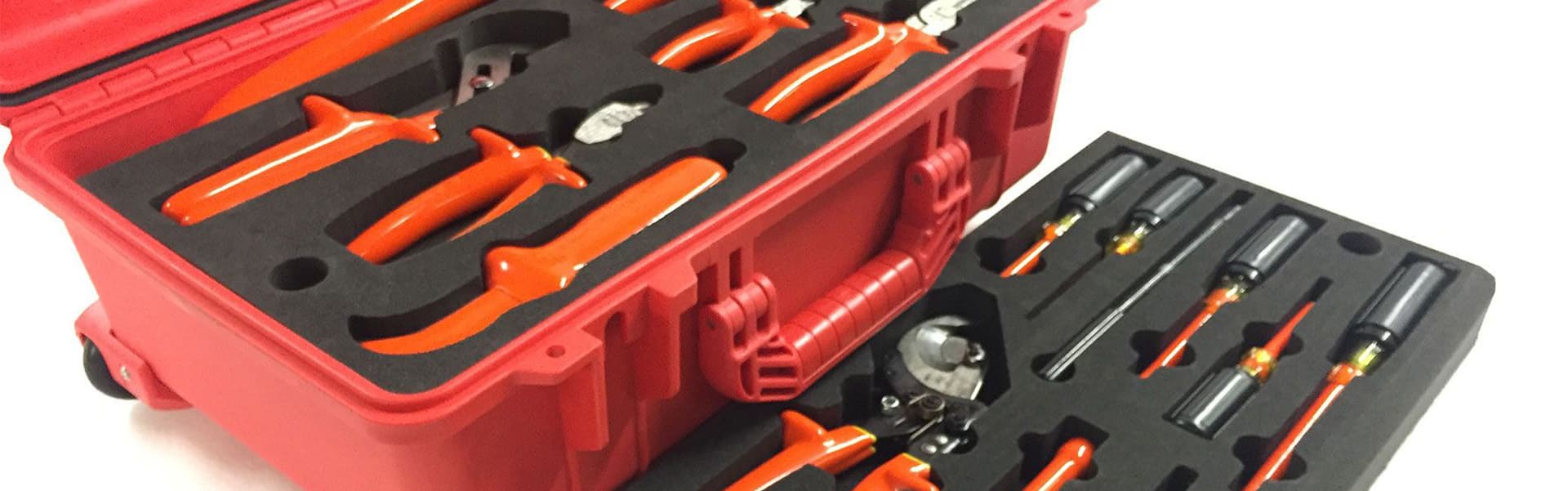
The foam packaging for your product ideally conforms to the shape and any unique physical characteristics of your product. This helps keep your product in prime condition through any rigorous shipping processes and can even offer customers a unique, albeit temporary, storage solution as well.
This article will focus on a few different areas of foam packaging, including some of the benefits, industry, and shipping styles. So, let’s break this down a little more…
** This article is provided for informational purposes only.


What is Custom Foam Packaging?
Let’s be honest, we’re in the age of next-day priority shipping, so you’ve probably opened a package delivered to your house with a particular smiley face on it at this point. Therefore, you’ve also seen foam packaging.
Custom foam packaging is the protective poly-based packaging most of us throw away after our product arrives at the house. However, these pieces can be integral to ensuring that your shiny new product doesn’t show up smashed, cracked, or otherwise damaged.
These foam pieces are specifically designed and cut to fit the exact dimensions and shape of a product. Unlike generic packaging such as bubble wrap, custom foam solutions provide superior protection against impact, vibration, and abrasion during shipping or storage. Bubble wrap is fun to pop, but packaging quality is the name of the game here.
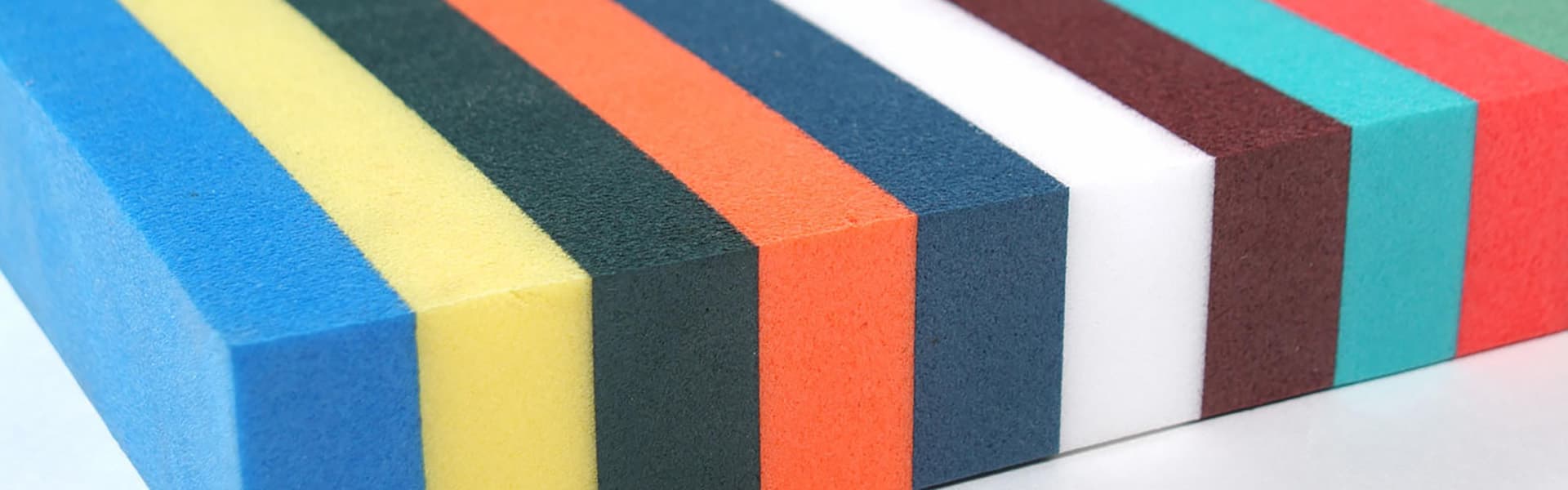
Several types of foam materials are commonly used, including cross-linked polyethylene (XLPE), polyethylene (PE), which is durable and can be moisture-resistant; polyurethane (PU), known for its softness and flexibility; there’s even expanded polystyrene (EPS), which is a lightweight option often used for cushioning delicate items.
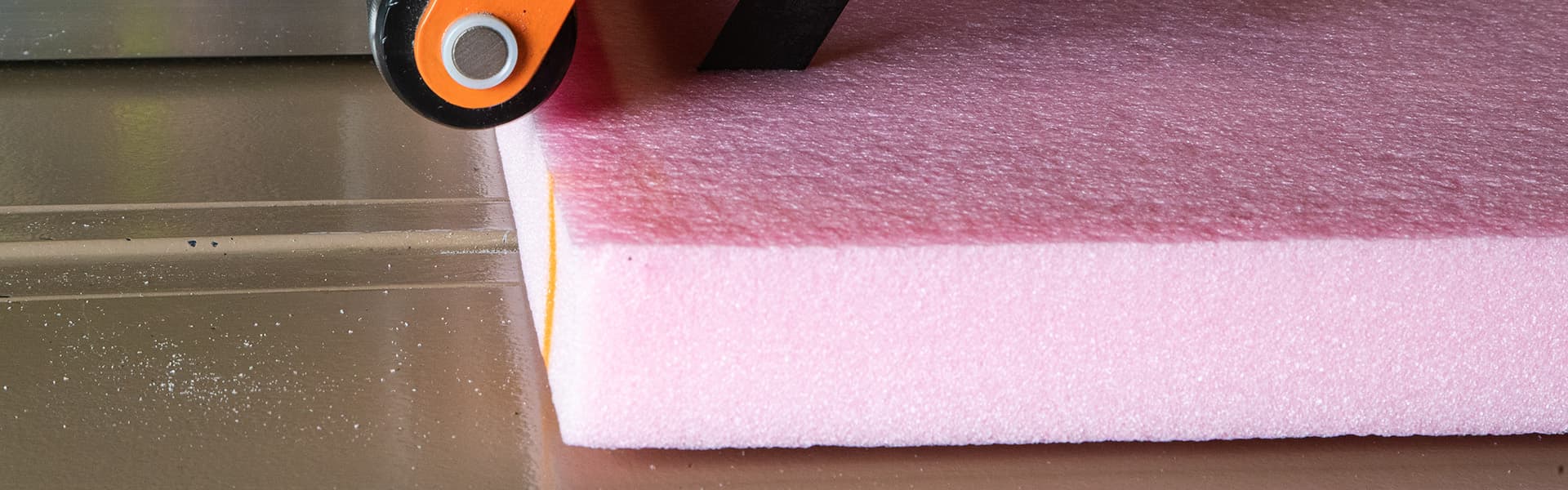
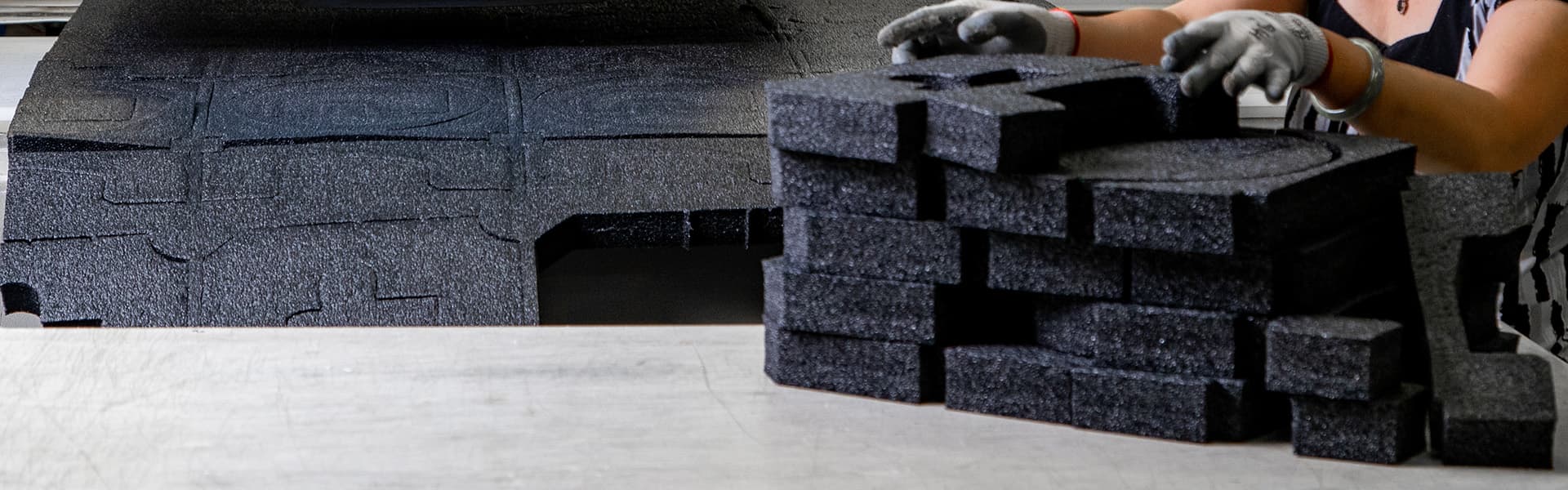
Foam packaging’s custom-cutting process perfectly cradles each product. Techniques such as die-cutting are ideal for producing large quantities of the same shape or pattern. At the same time, CNC machines can be used to produce precise, intricate designs from digital models of the product and the box dimensions. This precision ensures that every curve, edge, and surface of the product is securely supported.

Key Benefits of Custom Foam Packaging
Compared to standard bulk packaging materials, custom-made foam provides a more exact fit, reduces waste, and enhances product presentation. These packaging options cost more; however, the increased protection and professional appearance often lead to fewer damaged goods and a stronger brand impression.
Let’s take a deeper look at some of the key benefits:
Superior Protection
A bike helmet without the foam contouring to fit comfortably around your noggin wouldn’t be very beneficial if it just rattled all over as you rode around. As important as the outer shell is (like the cardboard box in a shipped product), the foam packaging fills out the frame, provides additional shock absorption, and resists vibration.
Custom foam packaging also helps prevent scratches, abrasions, or breakage on the product during the shipping process. Not only does the product arrive on time, but it arrives in top quality as it’s supposed to. That gives you peace of mind as the shipper.
Tailored Fit
The custom-contoured edges and “pockets” that slide onto the product are like putting on a custom-tailored suit. The bulky off-the-rack suit isn’t a sure fit, but a custom jacket, shirt, and pants fit like a second skin and are more flattering to your body type.
The same is true for tailored foam packaging pieces that fit the confines of the product box and the product itself. This helps restrict the product's movement within the packaging and accommodates complex shapes or fragile components, helping absorb shocks during transport and handling.
Brand Image and Customer Experience
Custom foam packaging can go a long way to enhance the unboxing experience. Customizing foam with your company colors, branding, or other features enhances the aesthetic and prestige customers see when unboxing the product.
Suppose you have custom inserts or features related to the product (such as contoured, custom-colored foam with custom-cut logos that match the video game console it holds in the box). In that case, it will give the customer that split second of thinking ‘cool…’ and make them think twice before just throwing all the packaging into the bin.
Cost Efficiency
A custom-cut foam packaging piece can help reduce damage, in turn reducing the rate of costly returns. Using custom-cut foam can also be quite cost-effective, as foam is generally affordable, and an efficient design can optimize the amount of material used to produce the packaging pieces.
Sustainability
Utilizing eco-friendly foam options can deliver the quality you need for foam packaging while simultaneously lowering your carbon footprint. As well as being cost-efficient, utilizing and cutting foam to reduce the amount of waste in the wake of making your packaging pieces means you get the most out of a block of foam.

Industries That Rely on Custom Foam Packaging
Let’s take a look at a few industries that put a priority on having good foam packaging:
Electronics
Electronic devices and components can carry a pretty hefty price tag. Foam packaging plays a crucial role in protecting those kinds of assets. Companies that produce items like computers/laptops, circuit boards, and even smartphones don’t want their products to be damaged by moisture or shock.
Packaging foam designed to resist impact, vibrations and electrostatic discharge can come in handy during shipping and handling.
Medical Equipment
The medical industry utilizes foam packaging to safeguard delicate instruments, diagnostic devices and sterile components. Who knows… foam packaging may even carry organs on ice to hospitals, like a heart? That’s just wild stuff…
The point is, precision and cleanliness are vital to medical-grade foams. They need to provide excellent cushioning while maintaining high hygiene standards and resisting contamination.
Aerospace & Defense
Alright, we’re talking fighter jets and highways to the ‘Danger Zone!’ Well, not quite. Foam isn’t necessarily a component in supersonic missiles, but the defense sector does rely on foam packaging to protect highly sensitive and expensive equipment.
Avionics, navigation systems and yes… weapon components all need to have packaging that will keep them in top shape when they arrive at their intended destination. Keeping vibration and shock in check helps maintain the equipment’s calibration and function during transport. Custom-engineered foam inserts also provide a lightweight option to keep loads a little lighter without compromising on load security.
Automotive Parts
If you drop a brand new muffler that a car enthusiast just got to put on their Mustang on the ground, they may start to weep. This is why automotive part makers want the best-quality packaging for their products, so they arrive and pass the inspection of their customers’ scrupulous attention to detail.
Proper packaging can prevent scratches, dents, and other damage that can affect the part's performance or appearance. Foam’s flexibility allows custom shapes to be cut and irregularly shaped parts to be held in place. If you were a parts manufacturer and a customer wanted a custom batwing-shaped tailpipe for their motorcycle, you would at least know you could get some custom foam packing cut for that monstrosity.
Luxury Goods and Retail Packaging
If you’re in the “drip” business (I think I’m using that term right), foam packaging can be a great way to enhance both product protection and presentation. Jewelry, cosmetics and other precious commodities benefit from a presentation that truly gets a reaction when opened. Custom-colored and textured foams can be tailored to brand aesthetics, combining elegance and function to reinforce a product’s perceived value.

The Design and Modeling Process
The design is the first important step you need to consider with foam packaging. You want to be sure that you have the right problem solvers who will be able to identify the best solutions that align with your requirements.
Work with a manufacturer that will review your product and the boxes, cases, or packaging you intend to ship with, then match the packaging pieces to give you the exact fit you need. This is why the Design-Build stage is so critical. You need to look at the dimensions, shipping methods, location, special properties of the equipment or product, and then tailor a design concept that incorporates innovative and cost-effective strategies that will create the final blueprint of your custom foam packaging pieces.

Based on the design outline, it's essential to evaluate material selection and the best manufacturing method for those materials to make the packaging foam cost-effectively.
3D design technologies and modeling programs coupled with sophisticated CAD & CAM equipment help ensure precise designs for your product. CAM stands for computer-aided manufacturing and is the use of software to control machine tools in the manufacturing process. Its primary purpose is to create a faster production process and components with precise dimensions and consistent material properties throughout. Similarly, CAD, which stands for computer-aided design, is what's input into the CAM machinery and used to create the product.
Choosing the Right Foam Material
When choosing a foam material, consider a few factors. As discussed with the benefits of foam packaging and the various industries that use it, things like fragility, weight, environment, and even shipping method need to be considered.
You must be working with a foam manufacturer that has the technical know-how and supplier connections that offer a range of versatile options. It’s important to examine things like density, rigidity, and any other unique characteristics like fire-resistance ratings, usually known as “FR-rated foams,” marine-grade foams, or other properties like anti-static, static dissipative, or even conductive foams.
Conclusion
Foam packaging is more than just a protective layer — it’s an essential component in ensuring products reach their destination safely and in perfect condition. From delicate electronics and medical devices to precision aerospace parts and luxury goods, every industry benefits from tailored packaging solutions designed to absorb shock, prevent damage, and maintain product integrity.
Custom foam packaging provides the flexibility to meet specific shape, size, and material requirements, offering protection that’s both efficient and cost-effective. Beyond physical safety, custom foam packaging adds real value to a product’s presentation and brand experience. It demonstrates care, quality, and attention to detail, thereby enhancing customer satisfaction and brand reputation.
Whether you’re shipping sensitive equipment or high-end merchandise, partnering with a trusted custom packaging provider ensures you get the right solution for your exact needs. Consult with a foam packaging expert today to design a system that safeguards your products — and elevates your brand.